
Model fish response
Simulates appetite changes, schooling movement, biomass distribution, and cage-level behavior during a feed window.
See workflowMeet Sim Lab
Sim Lab is a realistic 3D simulation environment for developers and operators to test fish behavior, pellet dynamics, sensing, and agent decisions before live rollout.
New release
Sim Lab gives teams a place to rehearse edge cases, tune policies, and validate assumptions without risking a live cage.
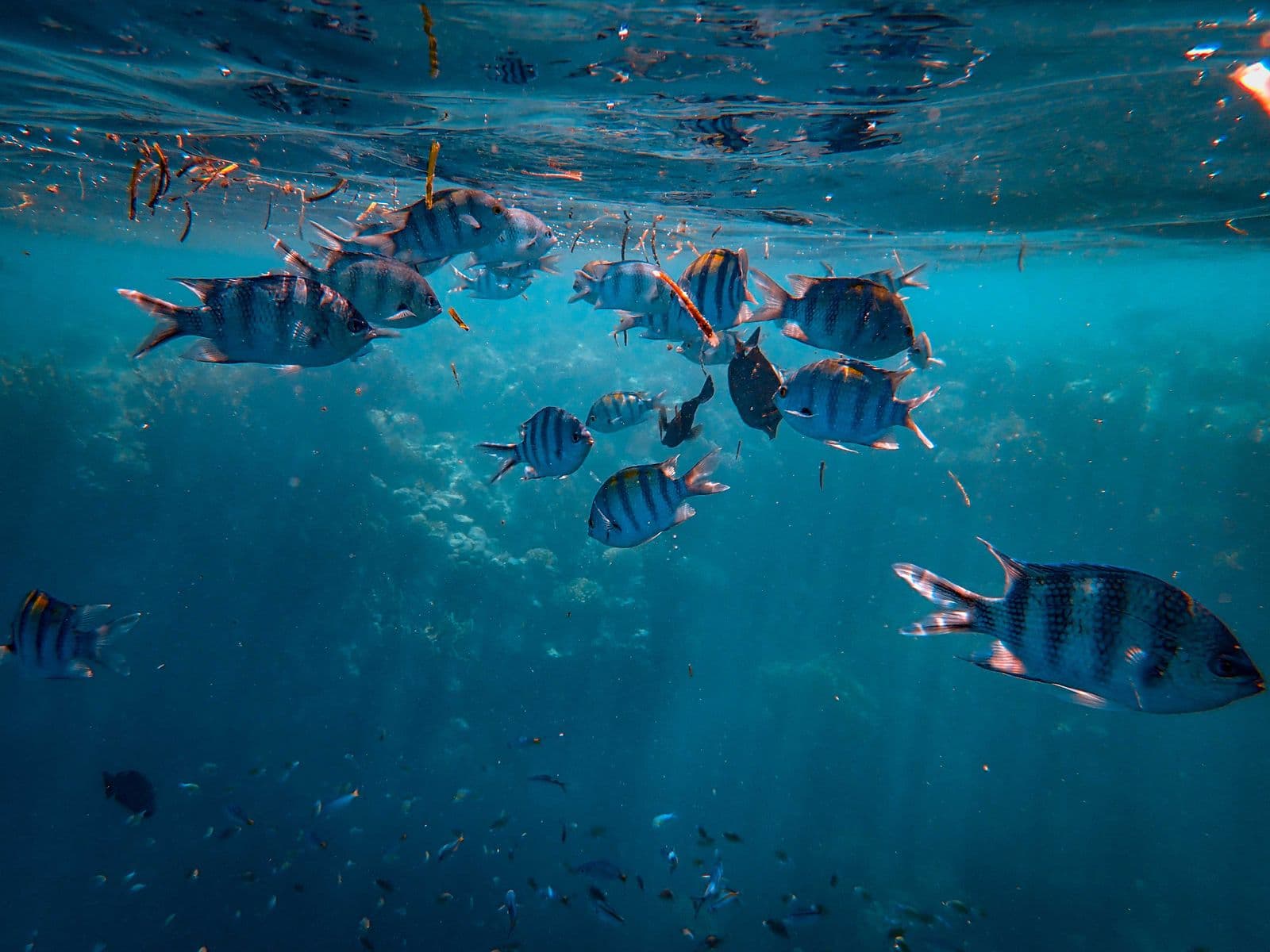
The lab turns complex aquaculture dynamics into repeatable scenarios that can be inspected, compared, and improved.
Simulates appetite changes, schooling movement, biomass distribution, and cage-level behavior during a feed window.
See workflow
Tests dropping patterns, drift, sink rate, uneaten feed, and waste risk under different environmental assumptions.
See workflow
Lets teams run Mythos and Argus-style inputs against simulated scenarios before field deployment.
See workflow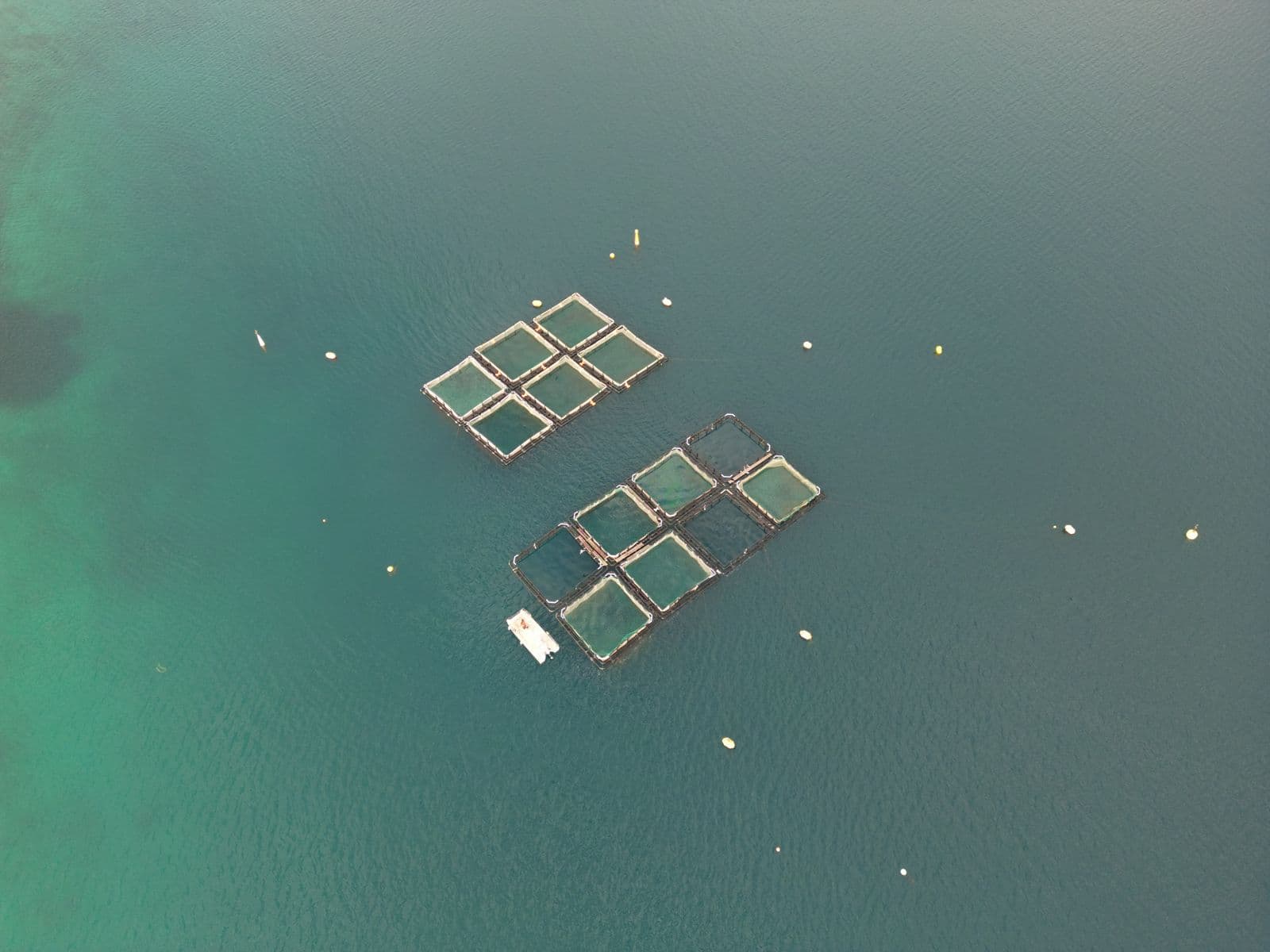
One platform
It helps teams validate Mythos policies and Argus-style inputs in controlled conditions before applying them at the farm.
Sim Lab by the numbers
Sim Lab rebuilds your cage as a physics-driven 3D world: your species, your water, your light, your pellets. Then it produces the one thing aquaculture AI has always been starved of — unlimited, perfectly-labelled data, on demand.
50+
Tunable scene parameters1
Species, biomass, Jerlov water type, current, sunlight, pellet sink rate, camera placement, disease load — every variable in the cage is a dial you can turn.
94%
Sim-to-real fidelity2
Synthetic frames benchmarked against real underwater footage on schooling, appetite, and pellet motion — close enough to fool the models we train on it.
∞
Labelled frames on demand3
Generate unlimited training data, every pixel carrying ground-truth biomass, pellet, and behaviour labels no diver could ever capture by hand.
1000×
Faster than real time4
Compress a full grow-out season of feed windows into an overnight run — then replay any moment frame by frame.
120 fps
Live physics + render5
Fluid-coupled pellets, caustics, and schooling fish simulated in real time, right in the browser — no render farm required.
30+
Disease & edge-case scenarios6
Synthetic outbreaks, equipment failures, and once-a-year events — generated on demand, labelled, and perfectly repeatable.
2
Models pretrained before day one7
Mythos and Argus Vision arrive at your farm already trained on a digital twin of your exact cage, species, and water.
0
Live cages put at risk8
Pressure-test every feeding policy against storms, low oxygen, and outbreaks before a single real fish is involved.
Figures reflect the current Sim Lab render-and-physics pipeline and near-term roadmap targets; fidelity is benchmarked against real underwater cage footage and will tighten as more reference farms come online.
How to use Sim Lab
No 3D artists, no data-labelling team, no months of setup. Upload what you already have, describe your cage, and the agent builds the world and trains the models for you.
Step 01
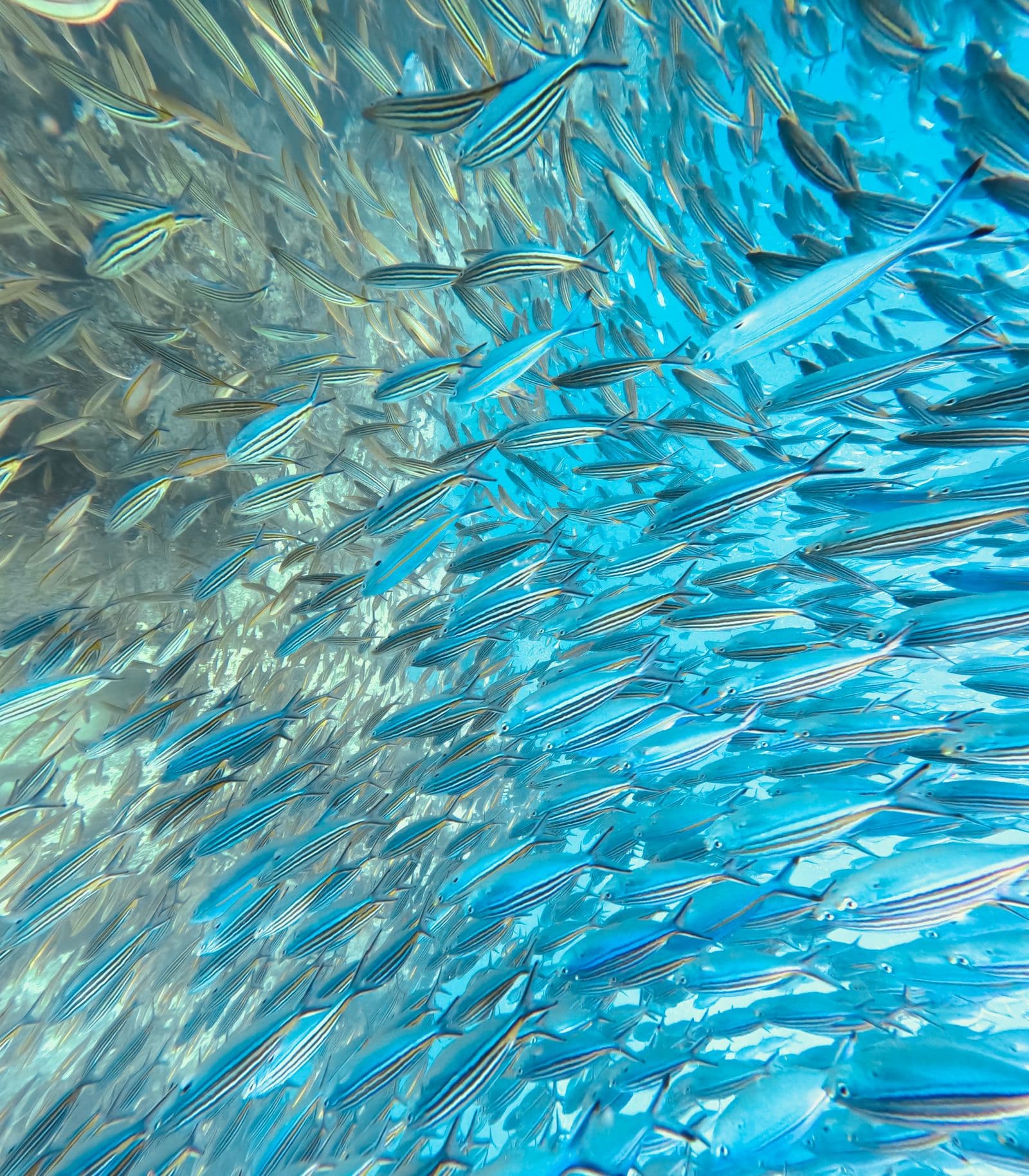
Drop in a short clip or a few photos of your species and the exact feed you use. Sim Lab reconstructs both as living 3D assets — body shape, colour, schooling behaviour, pellet diameter, and how fast it sinks.
Step 02
Tell the agent your cage geometry, stocking density, water conditions, and location. A net-pen in a cold Norwegian fjord or a warm-water cage off Malaysia — it reads the whole brief and gets the physics right.
Step 03
Our AI agent understands everything you handed it and builds a bespoke Sim Lab environment — your water clarity, your sunlight, your current, your fish — with zero manual setup. A digital twin of your cage, running in seconds.
Step 04
Sim Lab then generates the data no diver ever could — synthetic 3D objects, disease outbreaks, equipment failures, and once-a-year edge cases, every frame perfectly labelled. Mythos and Argus Vision train on your twin and land at your farm already knowing it.
Under the hood
Sim Lab keeps experiments repeatable, so engineering and field teams can compare how a strategy behaves before using it live.

Run the same feeding scenario across model, camera, and environment assumptions.
Review simulated fish, pellet, and sensor states before live operators are asked to trust the workflow.
Connects simulated inputs to the same product logic used by Mythos and Argus Vision.
01
Define species profile, biomass, water conditions, camera view, feed type, and operating constraints.
02
Replay fish movement, feed release, pellet descent, drift, visibility, and appetite response.
03
Evaluate how Mythos would respond when the simulated Argus and environment inputs change.
04
Move promising strategies into operator review with documented assumptions and expected outcomes.

Try Sim Lab
Connect with the FeedRight team to map product fit, deployment path, and the data needed for a field-ready pilot.
50+ tunable scene parameters. Count of independently adjustable inputs in the current Sim Lab build — species, biomass, Jerlov water type, current, sunlight angle, pellet sink rate, camera placement, disease load, and more. ↩
94% sim-to-real fidelity. Agreement between Sim Lab-rendered frames and real underwater cage footage on schooling density, appetite response, and pellet motion. A near-term roadmap target benchmarked against reference footage; it tightens as more reference farms come online. ↩
Unlimited labelled frames on demand. Frames are generated procedurally, each carrying ground-truth biomass, pellet, and behaviour labels. “∞” denotes generation bounded only by available compute, not a literal count, and removes the hand-annotation limit. ↩
1000× faster than real time. Headless simulation of feed windows can be stepped well beyond wall-clock — up to ~1000× on reference hardware with rendering detached. Rendered, interactive playback runs at 1×. ↩
120 fps live physics + render. Fluid-coupled pellets, caustics, and schooling fish rendered in-browser at up to 120 fps on a reference GPU. Frame rate scales down with fish count and scene complexity. ↩
30+ disease & edge-case scenarios. Pre-built synthetic scenarios — outbreaks, equipment failures, rare seasonal events — shipped in the current build, all labelled and exactly repeatable. ↩
2 models pretrained before day one. Both Mythos and Argus Vision can be pretrained on a Sim Lab digital twin of the target cage, species, and water before any field deployment. ↩
0 live cages put at risk. All pre-deployment policy pressure-testing runs in simulation; no live fish are involved until a strategy passes review. ↩