Meet Mythos and Argus Vision, FeedRight's private agent and camera model for aquaculture automation.

About

Where aquaculture AI meets real-world farm purpose

FeedRight turns sensor streams, underwater video, and farm outcomes into safer feeding decisions for modern aquaculture teams.

Our mission

Help farm teams feed only when fish, water, weather, and safety checks agree.

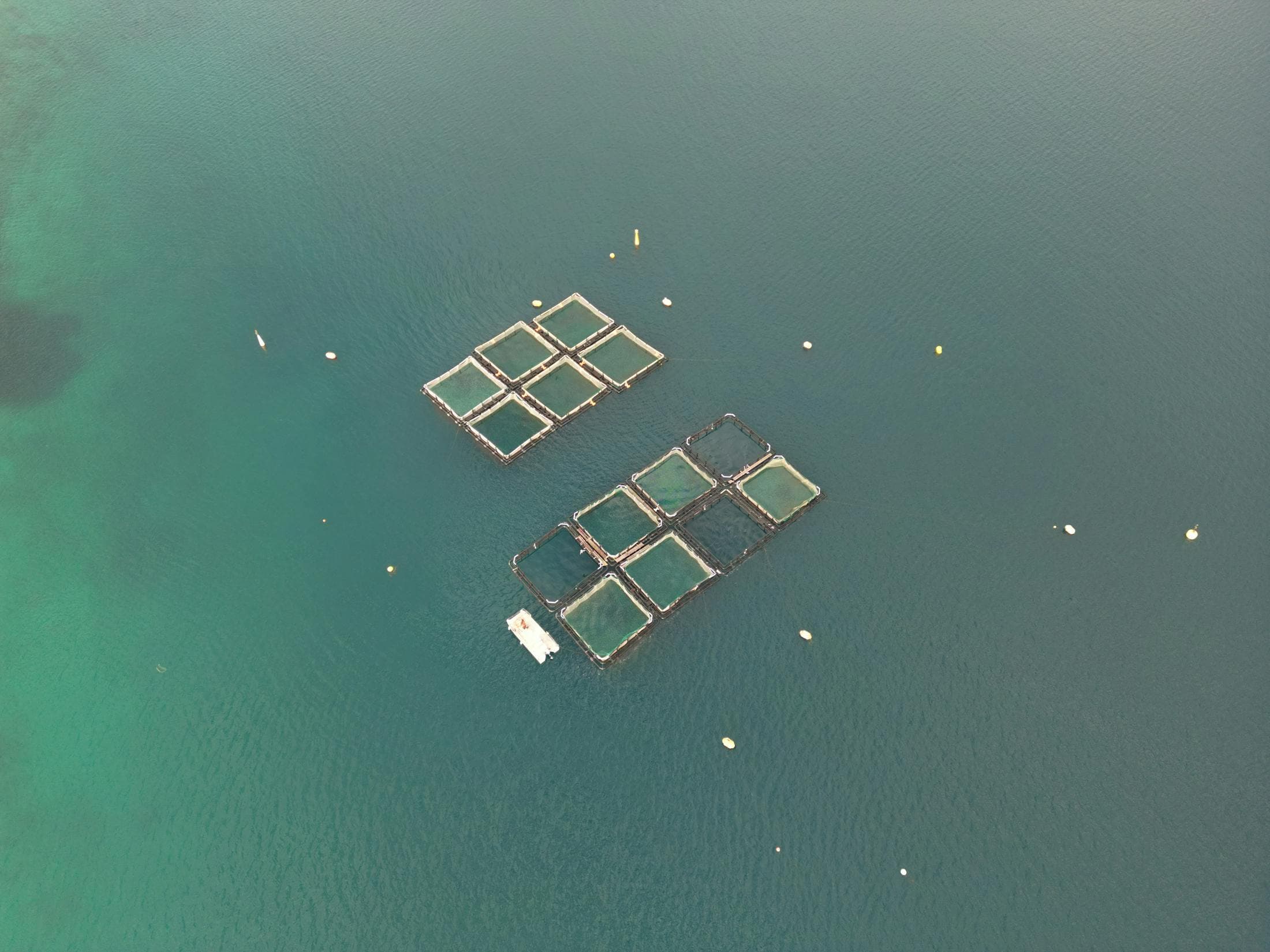
Offshore fish farm cages and a workboat

Live decision

Medium feed

Recommended only after oxygen, appetite, wind, and recent feeding history clear the guardrails.

44

signals checked

6

feeding actions

30m

decision cycle

Our story

From manual schedules to adaptive feeding AI

Stage 01 - before deployment

Train before the first cage

FeedRight starts in simulation, where the model practices over 100,000 feeding decisions before a farm relies on it.

That baseline encodes practical rules from operators: when to pause, when to test appetite, and when water conditions make feeding unsafe.

Aerial view of blue-water aquaculture arrays

Simulator

Oxygen gate passed
Appetite signal rising
Feed waste penalty low

Stage 02 - daily production

Read the farm every 30 minutes

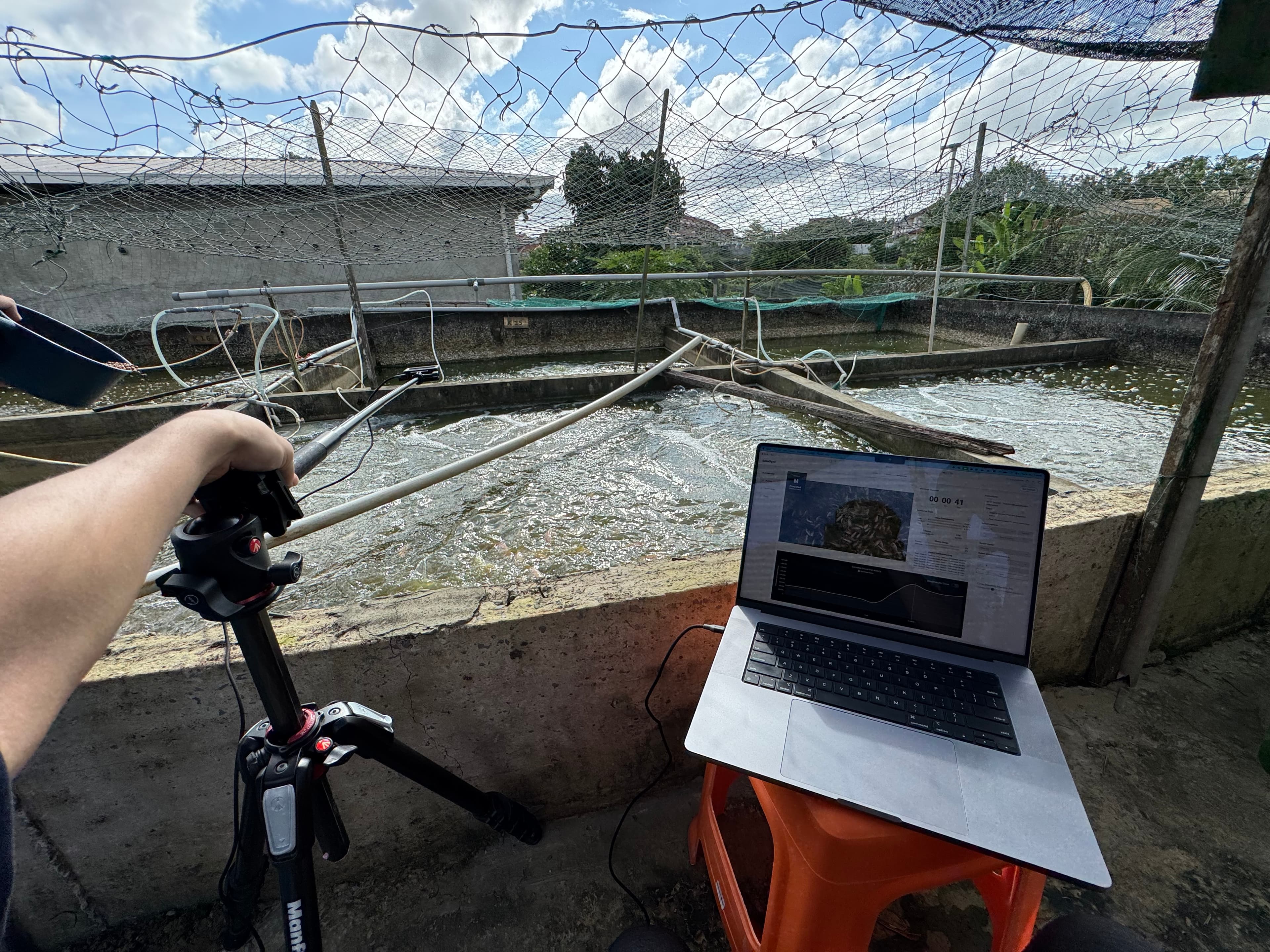
During operations, FeedRight combines water quality, underwater cameras, weather, feeding history, growth patterns, and waste signals.

The system chooses from no feed, small, light, medium, heavy, or maximum feed while keeping every decision visible to operators.

Cage B snapshot

08:00
CameraAppetite +18%
Oxygen6.8 mg/L
WeatherWind safe
History1.7h since feed

Stage 03 - always guarded

Safety checks before action

Rules block feeding when oxygen is too low, water is outside safe temperature limits, winds are strong, or fish have been fed too recently.

The model can recommend an action, but the safety layer decides whether the feeder is allowed to run.

Aquaculture cages in clear water

Guardrails

OxygenMust stay above safety threshold
TemperatureBlocks unsafe hot or cold water
FrequencyPrevents feeding too soon

Stage 04 - continuous learning

Improve from real outcomes

Every cycle records the conditions, the action, and the result, including consumption, waste, oxygen impact, and fish behavior.

After 1,000-2,000 new cycles, FeedRight can retrain on the farm's own history and deploy the better model only after validation.

CConsumption reviewVideo and feeder outcome
WWaste penaltyUneaten feed and turbidity
MModel validationDeploy only if better

Operating principle

Feeding automation only works when the farm team can trust the recommendation, understand the reason, and step in when local context changes.

The right model is not the one that feeds the most. It is the one that protects growth, water quality, and operator control at the same time.

Meet our team

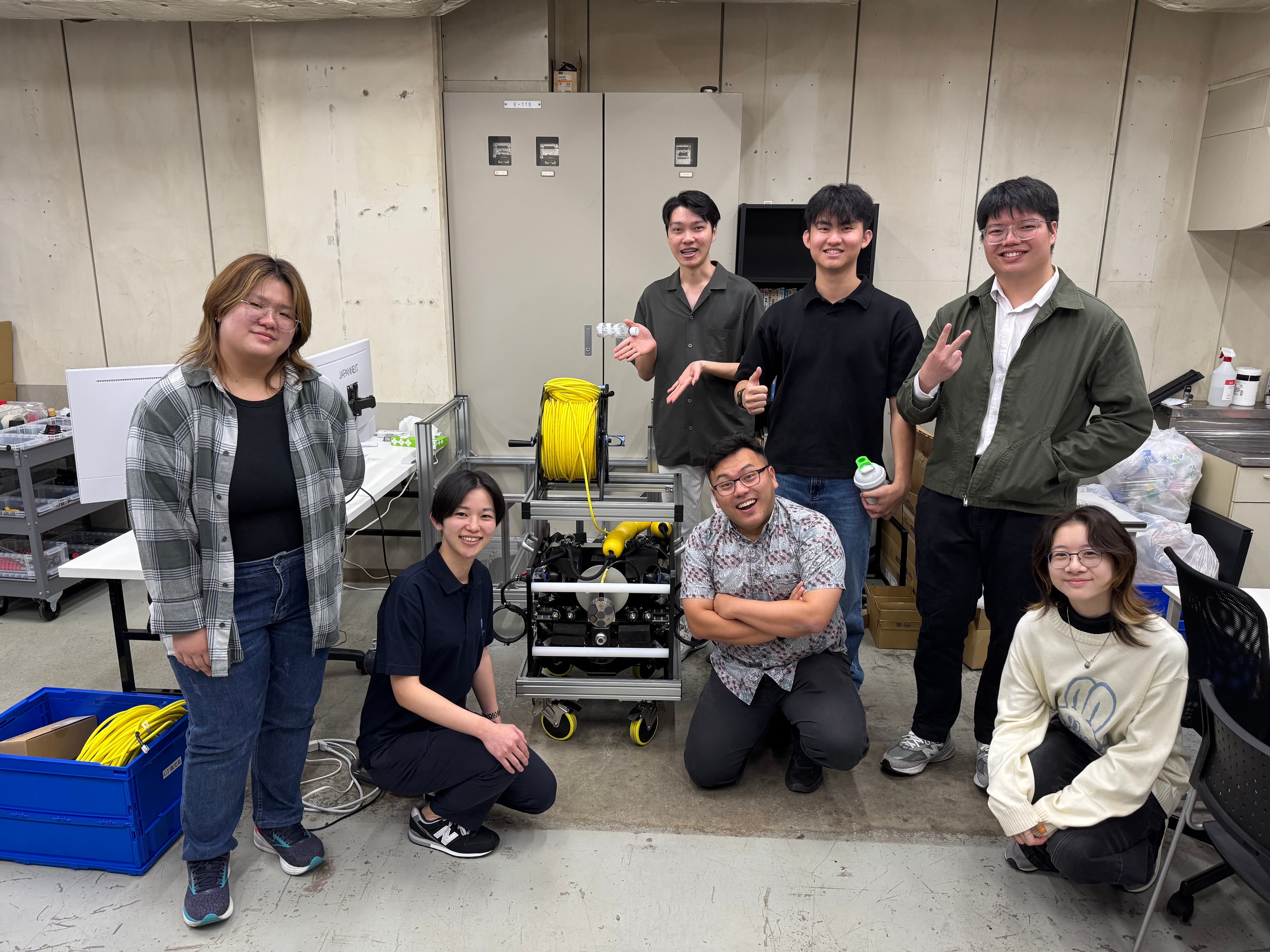
FeedRight is built at the intersection of model systems, farm operations, computer vision, field integration, and customer engineering.

Founding disciplines

Model systems

Applied AI

Reinforcement learning, validation, and model release workflows for feeding decisions that operators can inspect.

Site practice

Farm operations

Aquaculture workflows, feeding routines, safety thresholds, and calibration details shaped around working farm teams.

Field signals

Vision and telemetry

Camera, oxygen, temperature, salinity, weather, and feeder data brought together as one operating view.

Operating commitments

Human review

Operators can approve, override, and audit feeding decisions.

Private deployment

Farm data remains controlled through secure cloud and private deployment options.

Calibration first

Sensors, cameras, gateways, and feeders are checked before automation goes live.

Safety limits

Environmental and feeding-frequency limits remain active before every action.

Measured outcomes

Consumption, waste, water impact, and behavior become the learning record.

Model rollback

New models deploy only when validation beats the current production model.

Want to help build safer aquaculture AI?

Talk to us
Aerial view of fish farm cages

News and insights

Ready to put AI to work?